Type
✿ Personal
Year
2023


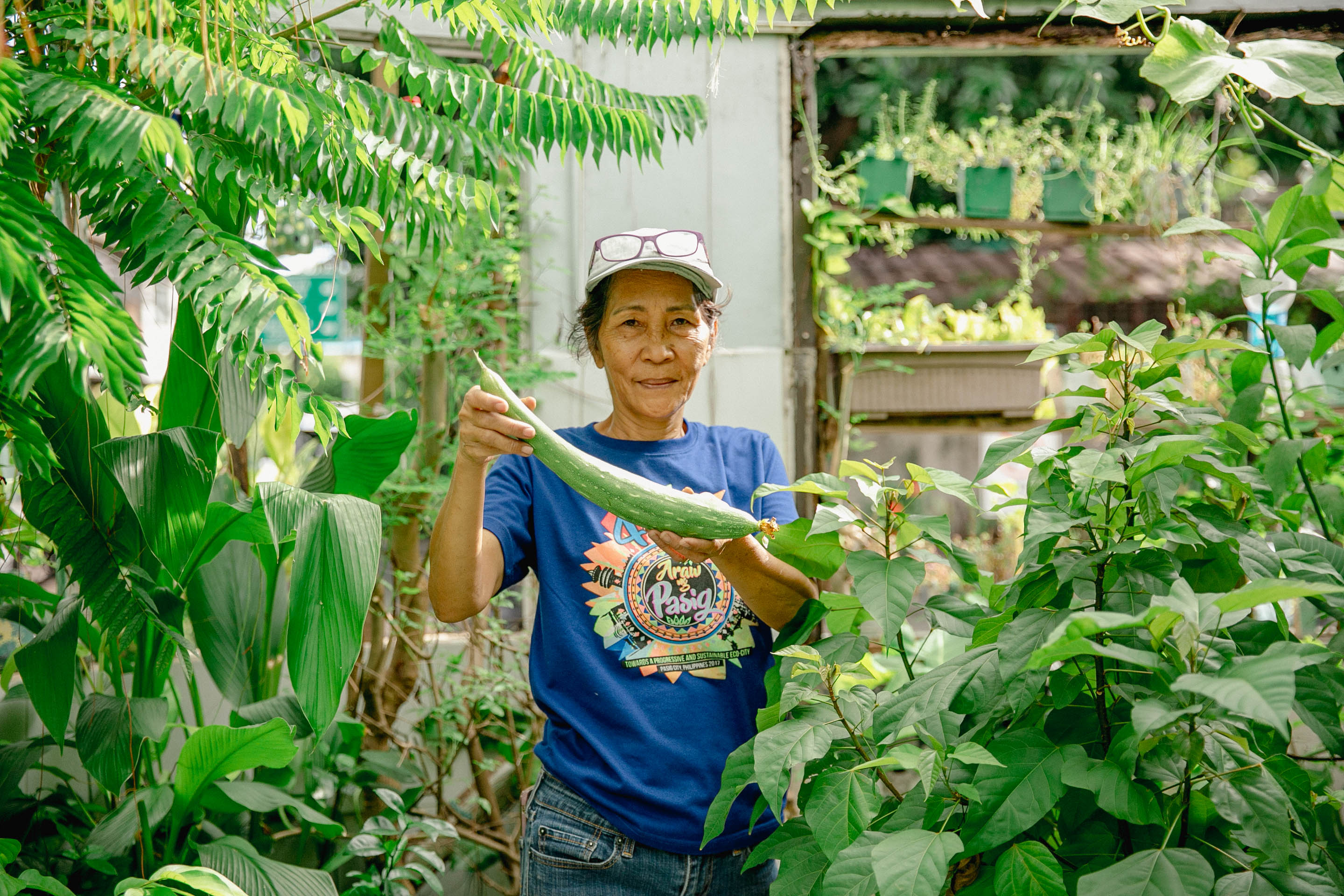
Developed by Japanese agronomist and biologist Teuro Higa in 1982, the bokashi method utilizes inoculants composed of rice hull or bran and molasses to speed up the composting process. Today, his invention has gained traction in the Philippines as environmentalists find ways to divert food waste from landfills.
When food or any biodegradable matter decomposes in landfills, it emits methane. It is a type of greenhouse gas that contributes to climate change. A 2021 WWF study titled “Driven to Waste” reveals that about 2.5 billion tonnes, or 40%, of food is wasted globally.
As of 2021, the Commission on Audit’s report on the solid waste management program finds that the country has 11,637 total material recovery facilities or MFRs, servicing only 16,418, or 39.05%, of the 42,046 barangays. Only 10% or fewer have a composting site, according to Melody Melo-Rijk, the project manager of WWF Philippines' Sustainable Consumption and Production project. The majority of the food waste still ends up in landfills.